
Managing Multiple Sclerosis Symptoms: Physiotherapy in Etobicoke
Living with multiple sclerosis (MS) can affect how you move, manage your energy, and participate in everyday activities. Walking around your neighbourhood, climbing stairs, or completing household tasks may become more challenging when symptoms fluctuate.
Physiotherapy for multiple sclerosis can help support strength, balance, mobility, and fatigue management. Treatment focuses on your individual needs and the activities that matter most to you.
At All About Physiotherapy Performance Centre in Etobicoke, our physiotherapy services include assessment, exercise prescription, movement training, and education to support daily function.
Understanding Multiple Sclerosis
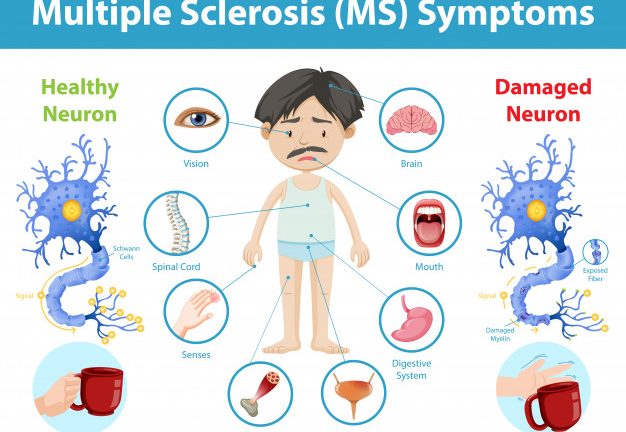
Multiple sclerosis is a chronic, immune-mediated condition that affects the central nervous system—the brain and spinal cord. Damage to myelin, the protective covering around nerve fibres, can interfere with communication between the brain and body.
Symptoms vary between individuals and may include:
- Fatigue and reduced activity tolerance.
- Muscle weakness.
- Balance and coordination difficulties.
- Stiffness or muscle spasms, known as spasticity.
- Numbness, tingling, or pain.
- Changes in walking.
- Vision or cognitive difficulties.
Physiotherapy does not cure MS or replace treatment from your neurologist. Its role is to help you manage physical challenges and support independence alongside your broader healthcare plan.
How Physiotherapy Can Help With MS Symptoms
Improving Walking and Mobility
Changes in strength, balance, and coordination can make walking more demanding. Physiotherapy may include practising stepping, turning, changing direction, and moving between different surfaces.
A 2024 systematic review and meta-analysis found that exercise interventions improved walking ability and walking endurance in people with MS. Results vary, and treatment needs to match the individual’s abilities and symptoms.
A walking assessment can help identify movement patterns that need attention. Learn more about our gait analysis services in Etobicoke and how assessing walking can inform treatment.
Supporting Balance and Movement Confidence
Balance difficulties may affect reaching, turning, standing, or navigating busy environments. Treatment can involve supported balance exercises, weight shifting, stepping practice, and activities that challenge coordination at an appropriate level.
A 2024 systematic review of balance exercise interventions found improvements in balance-related performance in people with MS. However, better balance test results do not automatically mean that falls will be prevented.
If dizziness or problems with head movement are also present, your physiotherapist can assess whether vestibular rehabilitation may be appropriate. This depends on the cause of your symptoms.

Building Strength for Everyday Tasks
Strengthening exercises can focus on practical goals such as getting out of a chair, climbing steps, or maintaining a comfortable upright position.
Your program may use resistance bands, weights, body weight, or supported exercises. The amount of resistance, number of repetitions, and rest periods should reflect your starting point and response to activity.
Peer-reviewed exercise recommendations for people with MS support individual exercise planning, with gradual progression based on abilities, preferences, symptom fluctuations, and safety.

Managing Fatigue
MS-related fatigue can affect daily routines even when an activity does not seem physically demanding. Although exercise uses energy, an appropriately prescribed program may help reduce fatigue over time.
A Cochrane systematic review found that exercise therapy may reduce self-reported fatigue in people with MS. The authors also identified differences between studies and limitations in the evidence, so improvement should not be presented as guaranteed.
Physiotherapy may help you balance activity and recovery through shorter exercise sessions, planned breaks, and adjustments to the intensity of your program.
New or worsening fatigue should also be discussed with your healthcare team. Sleep problems, infections, medication effects, and other conditions can contribute.
Addressing Stiffness and Spasticity
Spasticity can cause stiffness, spasms, and difficulty with movement or positioning. Physiotherapy may include gentle movement, positioning advice, and flexibility exercises selected after assessment.
Management should consider how stiffness affects your function. Some people rely on a degree of stiffness to help them stand or transfer, so reducing it is not always beneficial. Persistent or worsening spasticity may require coordinated medical and rehabilitation care.
Exercising With MS: Why Personalization Matters
There is no single exercise routine that suits everyone with MS. Your plan should consider your mobility, fatigue, other health conditions, and the support you need to exercise safely.
The 2020 MS exercise and physical activity recommendations encourage early assessment and individualized planning, with specialist input as physical activity becomes more challenging.
Heat can also worsen MS-related fatigue. Discuss heat sensitivity with your physiotherapist so your activity plan can account for it—for example, by adjusting the environment, session length, and rest periods.
What Happens During a Physiotherapy Assessment?
Your first appointment is an opportunity to explain what has changed and what you would like to do more comfortably or confidently.
An assessment may include reviewing your health history and evaluating:
- Strength and joint movement.
- Walking and balance.
- Transfers, such as standing from a chair.
- Activity tolerance.
- The effect of symptoms on everyday tasks.
Your physiotherapist can then explain the findings and discuss a treatment plan. This may include in-clinic treatment, education, and a home exercise program.
You can learn more about what to expect during a physiotherapy assessment or meet our physiotherapy team before your visit.
Frequently Asked Questions About MS Physiotherapy
Can physiotherapy stop MS from progressing?
Physiotherapy should not be presented as a treatment that stops MS progression. Rehabilitation focuses on physical function, symptom management, and participation, alongside medical care.
Can exercise help with MS-related fatigue?
Exercise may reduce fatigue for some people with MS. The type and amount of exercise should be adapted to your needs, and your response should guide adjustments.
Can physiotherapy help if I use a mobility aid?
Using a mobility aid does not exclude you from rehabilitation. Exercise recommendations cover a wide range of disability levels, with adaptations and assistance where needed. Goals may include supported movement, transfers, or maintaining activity.
Physiotherapy for Multiple Sclerosis in Etobicoke
If MS is affecting your walking, balance, strength, or daily activities, contact All About Physiotherapy Performance Centre to discuss your needs and appointment options.
Address: 577 Burnhamthorpe Road, Unit 1, Etobicoke, ON, M9C 2Y3
Phone: 647-598-2201
Contact our Etobicoke physiotherapy clinic to request an appointment.
Have questions about insurance? Visit our direct billing information page or contact the clinic to discuss your plan.
Peer-Reviewed References
- Du L, et al. (2024). Effects of exercise in people with multiple sclerosis: a systematic review and meta-analysis. Frontiers in Public Health, 12, 1387658.
Read the full article - Wallin A, et al. (2024). Effects of Balance Exercise Interventions on Balance-Related Performance in People With Multiple Sclerosis: A Systematic Review and a Meta-Analysis of Randomized Controlled Trials. Neurorehabilitation and Neural Repair, 38(10), 775–790.
Read the article - Kalb R, et al. (2020). Exercise and lifestyle physical activity recommendations for people with multiple sclerosis throughout the disease course. Multiple Sclerosis Journal, 26(12), 1459–1469.
Read the article - Heine M, et al. (2015). Exercise therapy for fatigue in multiple sclerosis. Cochrane Database of Systematic Reviews, Issue 9, CD009956.
Read the review
